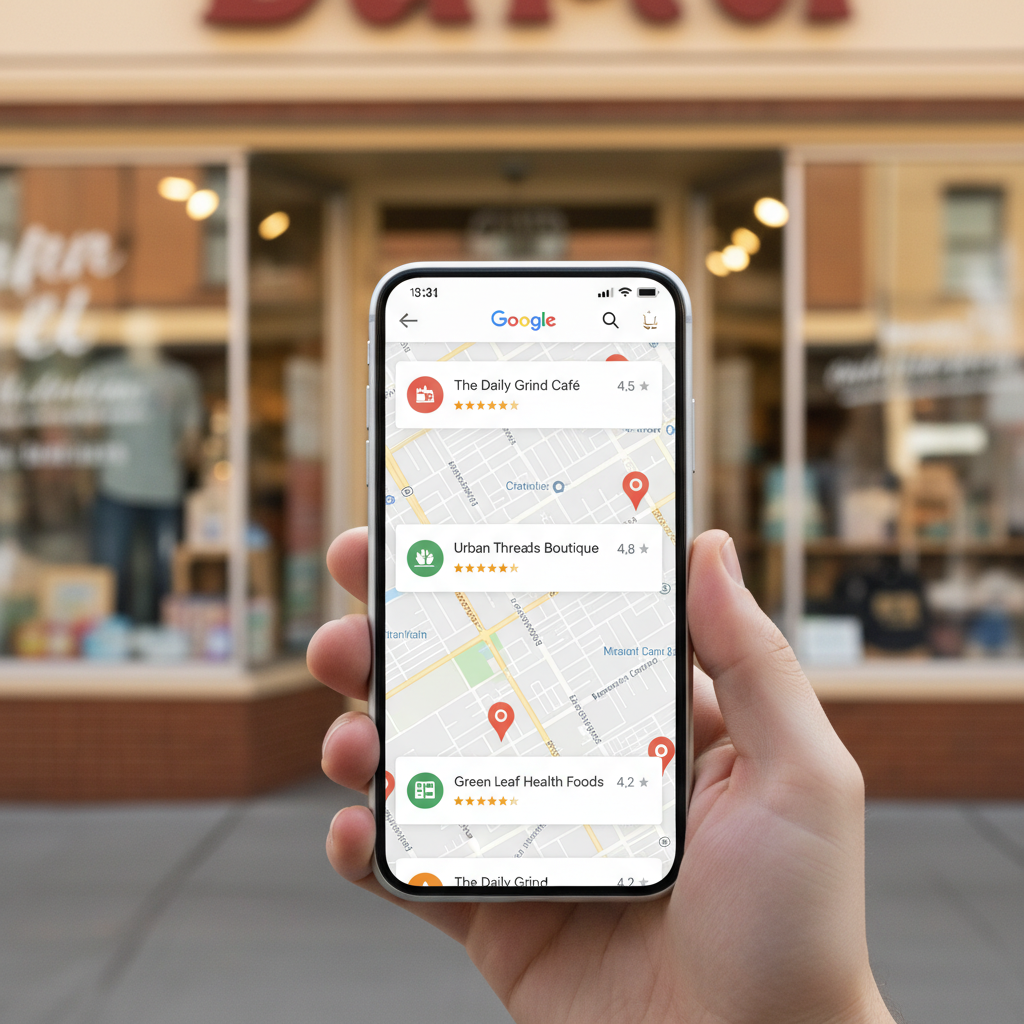
Local SEO is the bread and butter of most successful agencies. While everyone else chases national keywords with impossible competition, smart agency owners are building six and seven figure businesses by dominating the local search results for businesses in their communities.
This guide covers everything you need to know to deliver world-class local SEO results for your clients. Whether you are just getting started or looking to refine your process, these are the strategies and tactics that move the needle in local search right now.
Understanding the Local Search Ecosystem
Local search results appear in two primary formats: the local map pack (the three listings that appear with a map) and the organic results below it. Ranking in both requires different strategies, but many of the foundational elements overlap.
Google determines local rankings based on three core factors: relevance (how well the business matches the search query), distance (how close the business is to the searcher), and prominence (how well-known and trusted the business is online). Your job as an agency is to maximize all three.
GMB Optimization: The Foundation of Local Rankings
Google My Business, or GMB, is the single most important factor in local map pack rankings. A fully optimized GMB listing can outrank competitors who have better websites simply because their profile sends stronger signals to Google about relevance and trustworthiness.
Essential GMB optimization checklist
- Claim and verify the listing through the proper Google verification process
- Select the most accurate primary category and add all relevant secondary categories
- Write a keyword-rich business description that naturally incorporates target services and locations
- Add complete business information including name, address, phone, website, and hours
- Upload high-quality photos weekly covering the team, the workspace, completed projects, and before/after shots
- Publish GMB posts at least weekly with offers, updates, and service highlights
- Add all services with descriptions
- Enable messaging and respond to all inquiries within hours
- Add products or service menus where applicable
Consistency is the key with GMB. Google rewards listings that are actively maintained. A listing that gets new photos, posts, and reviews weekly will outperform a listing that was optimized once and then ignored.
Citation Building: Establishing Local Authority
Citations are mentions of a business's name, address, and phone number (NAP) across the web. They signal to Google that a business is legitimate, established, and relevant to a specific location.
The citation strategy that works
- Start with the core data aggregators: Foursquare, Data Axle, Localeze, and Neustar. These feed data to hundreds of smaller directories.
- Build out the top-tier directories: Yelp, Facebook, Apple Maps, Bing Places, Yellow Pages, BBB, and industry-specific directories.
- Add niche and local directories: Chamber of commerce, local business associations, industry directories, and geo-specific sites.
- Audit and clean existing citations: Inconsistent NAP data across listings actively hurts rankings. Use tools to find and fix discrepancies.
The most common citation mistake agencies make is blasting hundreds of low-quality directory submissions and calling it done. Quality matters more than quantity. Focus on authoritative, relevant directories first.
Review Strategy: The Social Proof Engine
Reviews are a ranking factor and a conversion factor. A business with 200 five-star reviews and recent activity will outrank and outconvert a competitor with 15 reviews from three years ago.
Building a review generation system for clients is one of the highest value services an agency can offer. Here is the framework:
- Create a short, direct review link that sends customers straight to the Google review form
- Build a follow-up sequence via email and SMS that requests a review within 24 to 48 hours of service completion
- Train the client team to ask for reviews at the point of highest satisfaction, usually right after job completion
- Respond to every review, positive and negative, within 24 hours using personalized responses that include relevant keywords naturally
- Never incentivize reviews or use fake review services because the penalties are severe and permanent
On-Page Local SEO
Your client's website needs to clearly communicate what they do, where they do it, and why they are the best choice. On-page local SEO makes this happen.
Essential on-page elements
- Location-specific title tags and meta descriptions for every service page
- NAP information in the footer or a dedicated contact page that matches the GMB listing exactly
- Individual location pages for each city or service area with unique, valuable content
- Service pages that target specific keyword combinations like "[service] in [city]"
- Embedded Google Maps on the contact and location pages
- LocalBusiness schema markup with complete structured data
- Internal linking between service pages, location pages, and the homepage
The biggest mistake in on-page local SEO is creating thin location pages that only differ by the city name. Google sees through this immediately. Each location page needs unique content that is genuinely relevant to that specific area including local landmarks, neighborhoods, service area details, and area-specific testimonials.
Link Building for Local SEO
Local link building is different from national link building. You are not chasing DR 80 guest post placements. You are building relationships with local organizations, sponsoring events, and earning mentions from local news and community sites.
High-value local link opportunities
- Local news coverage through press releases and story pitches
- Sponsorships for youth sports teams, community events, and local charities
- Guest articles on local business blogs and chamber of commerce sites
- Partnerships with complementary businesses that link to each other
- Local university and college resource pages
- Professional association memberships with online directories
One high-authority local link from a .gov or .edu domain is worth more than 50 directory submissions. Prioritize quality and local relevance above all else.
Tracking and Reporting Local Results
Proving ROI to local SEO clients is straightforward when you track the right metrics. Focus on these indicators:
- Map pack rankings for target keywords in the client's service area
- Organic rankings for location-modified keywords
- GMB insights including search impressions, direction requests, calls, and website clicks
- Call tracking data showing leads generated from organic and map searches
- Review count and average rating over time
- Citation accuracy scores
Send clients a monthly report that connects the dots between your work and their business outcomes. Rankings are good. Leads are better. Revenue is what keeps clients paying year after year.
Putting It All Together
Local SEO is not one thing. It is the orchestration of GMB optimization, citation management, review generation, on-page optimization, and link building working together over time. The agencies that excel at local SEO are the ones that build repeatable systems for each of these components and execute them consistently for every client.
If you want to build local SEO fulfillment systems that scale, that is exactly what we help agency owners do inside our coaching programs.